Hiriketiya in the Off-Season: What It's Really Like
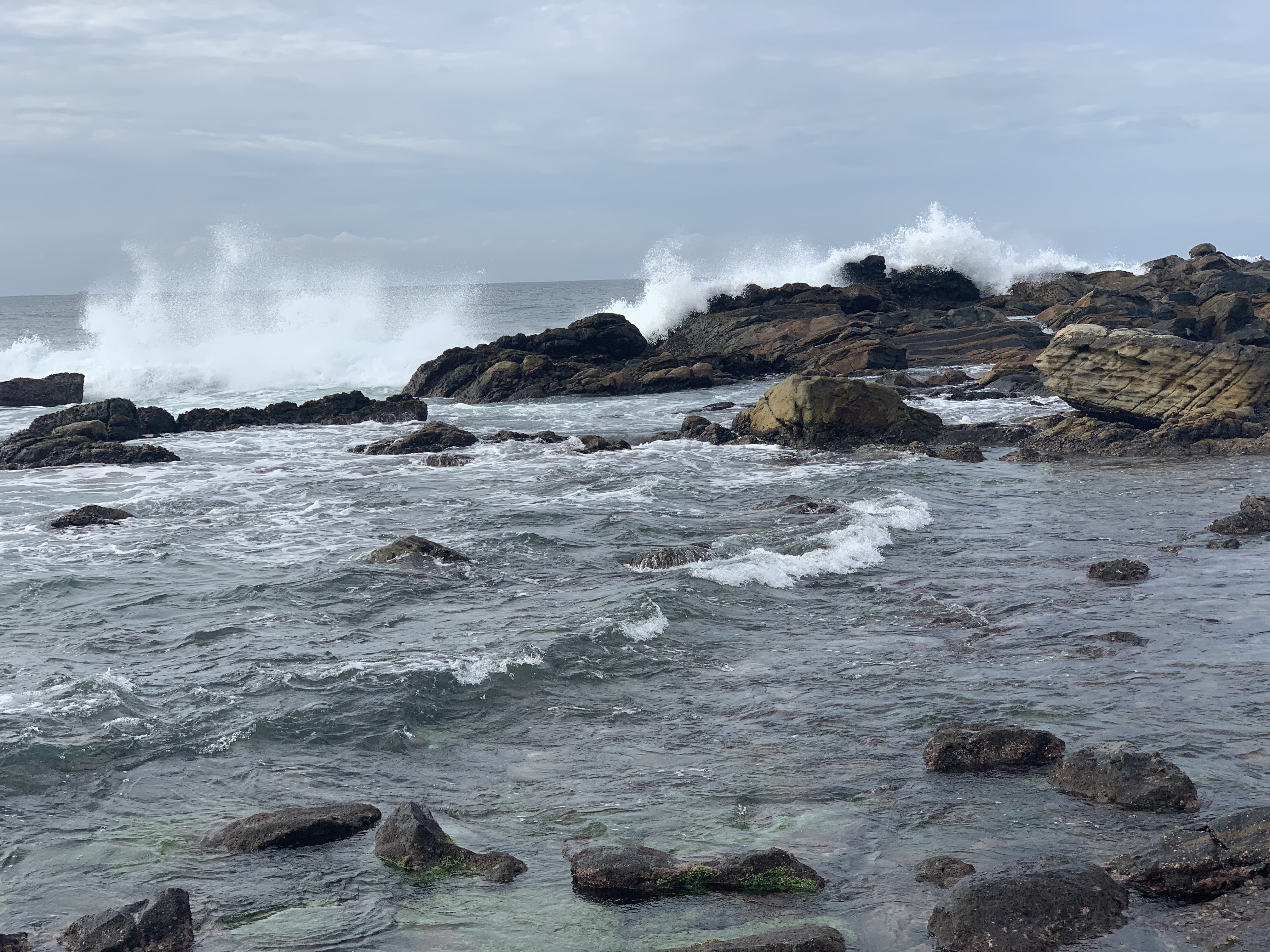
A horseshoe bay framed by palm trees. A wave that peels reliably across a sandy bottom. A strip of cafes where the coffee is good enough to make digital nomads stay for months. Hiriketiya has built a reputation as one of Sri Lanka's best beach towns - but most of what you will read about it was written during the peak season.
Every year from November to April, this south coast gem hums with surfers, yogis, and travellers who found their way east of the Mirissa crowds. But the question that keeps coming up is the one nobody answers honestly: what is Hiriketiya actually like during the off-season?
Yes - and here is why you might prefer it
The off-season on Sri Lanka's south coast runs from approximately May through October, with June through August being the quietest. The southwest monsoon brings stronger winds, rougher seas, and fewer tourists. Most of the seasonal cafes close. The beach that was buzzing in January turns into a quiet stretch where you can walk without stepping over someone's towel.
And for the right kind of traveller - the one who wants Hiriketiya without the queue - that is the whole point. The off-season trades crowds for space, dinner reservations for spontaneous meals, and perfect surf conditions for a completely different kind of coastal experience.
Is it still worth visiting? Absolutely - but only if you know what you are signing up for.
What is worth doing
- Surfing (when the conditions cooperate). The Hiriketiya wave is a reliable right-hand break that works best in the morning. During the off-season, the swell direction shifts and the wave becomes less consistent - but when it works, there are fewer people in the water. The west-facing bay can still produce clean waves on calmer days, especially early in the morning before the wind picks up. Several board rental shacks stay open, including Hiri Surf Shack near the eastern end of the beach. A board rental costs approximately USD 5-8 for the day.
- Yoga and wellness. Hiriketiya has quietly become Sri Lanka's yoga hub, and the off-season makes it even better. Salty Hands Surf & Yoga and The Salt House both run regular classes even in the quieter months, and the smaller class sizes mean more personal attention from instructors. Drop-in classes cost around USD 8-12. Some studios offer weekly passes at reduced rates during the low season.
- Beach time without the crowds. This is the biggest off-season advantage. The horseshoe bay holds its beauty regardless of the season - the palms still lean over the sand, the water is still warm, and the sunsets still deliver. What changes is the space. You can claim a spot under a tree and read for hours without anyone setting up next to you. The beach vendors are fewer and less persistent.
- Dickwella town and local markets. A 15-minute tuk-tuk ride inland, Dickwella town offers a glimpse of everyday Sri Lankan life that the beach strip obscures. The local market sells fresh fruit, vegetables, and spices at a fraction of the tourist-area prices. The Dickwella clock tower area has several excellent kottu and roti joints that stay open year-round. A tuk-tuk from Hiriketiya to Dickwella town costs approximately USD 1-2.
- Hidden coves and coastal walks. The coastline east of Hiriketiya hides small coves and rocky headlands that are accessible only on foot. Walk east along the beach past the headland at low tide and you will find smaller pockets of sand that are completely empty in the off-season. Bring water and watch the tide - some of these coves get cut off at high tide.
- Day trip to Tangalle or Rekawa Beach. About 30 minutes east by tuk-tuk, Tangalle has a different coastal character - bigger waves, wider beaches, and a fishing port worth visiting at dawn. Further east, Rekawa Beach is known for its turtle nesting (seasonal) and is especially quiet in the off-season. A return tuk-tuk to Tangalle costs approximately USD 10-15.
- Cooking classes and local experiences. Several local families offer Sri Lankan cooking classes that operate regardless of the season. You will learn to make curry powder from scratch, prepare coconut sambol, and cook rice and curry on a wood fire. The best ones are arranged through guesthouse hosts. Expect to pay around USD 15-20 per person including the meal.
Getting around
Hiriketiya is a walkable village. Most guesthouses, cafes, and the beach are within a 15-minute walk of each other. The main beach road connects everything - you will not need transport for day-to-day movement within the bay area.
For longer trips:
- Tuk-tuk to Dickwella town: USD 1-2, takes about 10 minutes. This is the closest supply hub for groceries, ATMs, and local restaurants.
- Tuk-tuk to Tangalle: USD 6-8, takes about 25-30 minutes. Tangalle has a larger bus station and more accommodation options if you want to explore further east.
- Bus to Colombo: The nearest major bus connection is at Matara, about 40 minutes east by bus or tuk-tuk. From Matara, buses run frequently to Colombo (4-5 hours, approximately USD 2-3).
- Train to Colombo: The closest railway station is in Dickwella, but trains are less frequent here than at Matara or Weligama. The coastal train line runs from Matara to Colombo Fort. A second-class ticket costs approximately USD 2-3 and the journey takes 4-5 hours.
- PickMe / Uber: Available in and around Dickwella and Matara, though coverage is thinner than in Colombo. A PickMe tuk-tuk from Hiriketiya to Matara costs roughly USD 4-6.
What to avoid: walking along the beach road after dark without a light - some stretches are unlit and the road hugs the bay with no sidewalk. Also avoid relying on the seasonal tuk-tuk drivers who disappear during the off-season; save a couple of local driver numbers when you arrive.
What to budget
The off-season brings off-season prices. Here is the realistic daily breakdown for a mid-range traveller in Hiriketiya from May to October:
- Accommodation: USD 15-35 per night. The same room that costs USD 50-80 in January drops significantly. Some guesthouses close for the season, so availability is lower - but the ones that stay open often offer discounts of 30-40%.
- Meals: USD 3-6 for a substantial Sri Lankan rice and curry lunch. USD 5-10 for dinner at one of the restaurants that stays open. USD 1-2 for a short eats snack. Fewer restaurants are open in the off-season, which means you will eat at the same places repeatedly - choose ones you genuinely like.
- Coffee and drinks: USD 2-4 for a flat white at specialty cafes. USD 1-2 for a fresh coconut. USD 2-3 for a Lion Lager at a beach bar.
- Activities: USD 5-8 for a surfboard rental. USD 8-12 for a yoga class. Free for beach time and coastal walks. USD 15-20 for a cooking class. USD 10-15 for a return tuk-tuk trip to Tangalle.
- Transport: USD 2-5 for local tuk-tuk trips per day. USD 2-3 for a bus to Matara. USD 2-3 for a train to Colombo.
- Total daily spend: USD 30-60 per person, depending on how many activities you pack in. On a pure beach-and-book day with no extras, room and meals alone run about USD 25-40.
Bring cash. Most of the smaller guesthouses and food stalls do not accept cards, and the nearest reliable ATM is in Dickwella town. The bank ATMs there accept international cards but may charge a withdrawal fee.
WATCH OUT FOR
- The wind is relentless. This is the single biggest off-season reality check. The southwest monsoon funnels strong winds directly into Hiriketiya Bay from May through August. The beach can be uncomfortable between late morning and late afternoon when the wind kicks up sand. The wind usually dies down around sunset. If you are planning to work remotely, check whether your accommodation has wind-protected outdoor areas - the breeze in open-air spaces can make laptop work frustrating. Some guesthouses have enclosed verandas or thick-walled rooms that buffer the wind effectively.
- Half the restaurants close. Many of Hiriketiya's best-known cafes and restaurants shut down entirely during the off-season. The owners travel, renovate, or simply take a break. Your food options shrink significantly - from roughly 15-20 restaurants in peak season to 4-6 in the quietest months. This is manageable if you plan for it, but it means you cannot rely on spontaneous dining variety. Check what is open before booking a long stay. The restaurants that do stay open often operate reduced hours, so dinner can feel rushed.
- Swimming safety changes. The same bay that offers gentle waves in January becomes rougher and less predictable during the monsoon. Strong rip currents can develop even in the protected cove. Always ask locals about current conditions before swimming - the beach has no lifeguards and the nearest medical facility is in Dickwella. If you are not a strong swimmer, stick to paddling rather than swimming during the off-season.
- Mosquitoes get worse. The wet season brings standing water, and standing water brings mosquitoes. Hiriketiya sits in a low-lying coastal area, and the mosquito population spikes noticeably during the rainy months. Some guesthouses provide nets and plugs - others do not. Bring repellent, particularly one containing DEET, and consider booking accommodation with mosquito screens or nets on the windows.
- Booking platforms show closed properties. A frustrating pattern in the off-season: booking sites continue to display properties that are actually closed. Guests arrive to find their guesthouse shuttered, with no message from the host. The fix is simple - contact the property directly before booking to confirm they are operational during your dates. If they do not respond within 24 hours, choose somewhere else.
- Isolation can creep up. This is not a destination problem - it is an off-season reality. With fewer travellers around, the social scene that Hiriketiya is famous for essentially disappears. If you are travelling solo and rely on the traveller network for company, the off-season can feel lonely. The yoga classes and surf groups remain the best way to meet people, but social opportunities thin out significantly.
GOOD TO KNOW
- Best months for the off-season visit. September and October are the sweet spots. The wind eases, the rain is less frequent, and the crowds have not yet returned for the November peak season. June through August are the windiest and quietest months - if you love solitude, these are your months. If you want a middle ground, aim for September.
- Wi-Fi reliability. Hiriketiya's internet infrastructure has improved significantly, but during the rainy season, power outages are more common. Most guesthouses have backup generators, but Wi-Fi routers may not be connected to them. If you need reliable internet for work, ask specifically about generator-backed Wi-Fi before booking. Mond Cafe and The Salty House are known for having the most stable connections.
- The surf in the off-season. The Hiriketiya wave works best on a south-southwest swell with easterly winds. During the monsoon, the prevailing wind is westerly, which tends to chop up the wave. However, early mornings - before about 9 AM - often still produce clean conditions before the wind picks up. If surfing is your priority, arrive early, surf before the wind, and spend the rest of the day doing other things.
- Nearby alternatives. If Hiriketiya feels too quiet, a 20-minute tuk-tuk east takes you to Tangalle, which has more restaurants and a livelier town atmosphere. A 30-minute drive west reaches Matara, the regional transport hub with a historic Dutch fort and excellent local food. Both are worth day trips regardless of the season.
- ATMs and banking. The nearest reliable ATM is in Dickwella town - specifically the Bank of Ceylon and People's Bank branches on the main road. They accept Visa and Mastercard but charge a withdrawal fee of approximately USD 2-3. Some ATMs in Dickwella occasionally run out of cash during the off-season since fewer replenishment runs are scheduled. Withdraw enough for several days at a time.
- Health and safety. The nearest hospital is the Dickwella District Hospital, about 10 minutes by tuk-tuk. For anything serious, you would need to go to Matara (40 minutes) or Colombo (4 hours). Travel insurance that covers medical evacuation is strongly recommended for any Sri Lanka trip, and especially relevant for the south coast during the off-season when services are reduced.
WHERE TO STAY
Salty Hands Surf & Yoga, Hiriketiya - This is the standout for travellers who want the full Hiriketiya experience in the off-season. The on-site yoga shala continues classes year-round, and guests consistently mention that the attached cafe stays open when others close. Multiple reviews describe the staff helping guests navigate the off-season - calling ahead to check which restaurants are open and arranging tuk-tuks to Dickwella for dinner.
Kasa Hiriketiya - A cluster of private cabanas set back from the beach with a garden that buffers the wind, which guests in the off-season reviews repeatedly call a lifesaver. The rooms are simple but well-ventilated, with mosquito nets over the beds - one reviewer noted that this was the only place in Hiriketiya where they slept through the night without being woken by mosquitoes. The owners provide kitchen access and weekly rates that make long stays affordable during the quiet months.
Mond Guesthouse - Part of the Mond Cafe operation, this guesthouse is praised in reviews for having the most reliable Wi-Fi in Hiriketiya, a deciding factor for the digital nomads who choose the off-season specifically for slower pace and cheaper rates. The attached cafe operates through the year and serves consistent coffee and food, making it a reliable anchor during the months when other options close. Guests also highlight the strong walled construction that keeps room interiors quieter than the open-air alternatives.
Hiriketiya Beach Resort - One of the few larger properties that stays open year-round, this is a reliable fallback if the smaller guesthouses are full. Reviews consistently mention the pool as a saving grace during the windiest days - when the beach is too blustery, the pool offers a protected swimming alternative. The restaurant operates on reduced hours in the off-season but the kitchen produces solid Sri Lankan and Western food. It is not the most atmospheric option in Hiriketiya, but it is the most reliable.
Bamboo Home Stay Hiriketiya - A family-run homestay a few minutes' walk from the beach that guests recommend specifically for the off-season. The reviews highlight that the family cooks dinner for guests on request - which matters enormously when half the restaurants are closed. Multiple reviews describe arriving as a stranger and leaving as a guest of the family, with home-cooked rice and curry dinners that one reviewer called the best meal of their two-week Sri Lanka trip. The rooms are basic but clean, and the off-season rate of approximately USD 15-20 makes it the best budget option.
The bottom line
Hiriketiya in the off-season is not a worse version of Hiriketiya in peak season - it is a different experience entirely. The wind, the closed restaurants, and the social quiet will disappoint anyone who arrives expecting the crowded surf town from Instagram. But for the traveller who values space over choice, solitude over scene, and genuine local interaction over curated cafe experiences, the off-season reveals a side of Hiriketiya that the high-season visitor never sees. The bay is still beautiful. The waves still come. And the version of Hiriketiya that emerges when the crowds leave is the one that makes people feel like they have found something real.
Have a specific question about your Sri Lanka trip?
Ask BYC at byc.lk — free, honest, no upsell. Ever.
Ask BYC Your Question →