How Many Days Do You Need in Anuradhapura? What Travellers Always Ask
A question that keeps coming up from travellers planning their Sri Lanka itinerary: how many days do you actually need in Anuradhapura? The UNESCO World Heritage site spans over 40 square kilometres — larger than the city of Colombo — with colossal white stupas, ancient monasteries, and the oldest documented tree on earth all scattered across an archaeological landscape that was once the heart of one of South Asia’s great civilisations. The question follows every itinerary: is it a day trip, two days, or more?
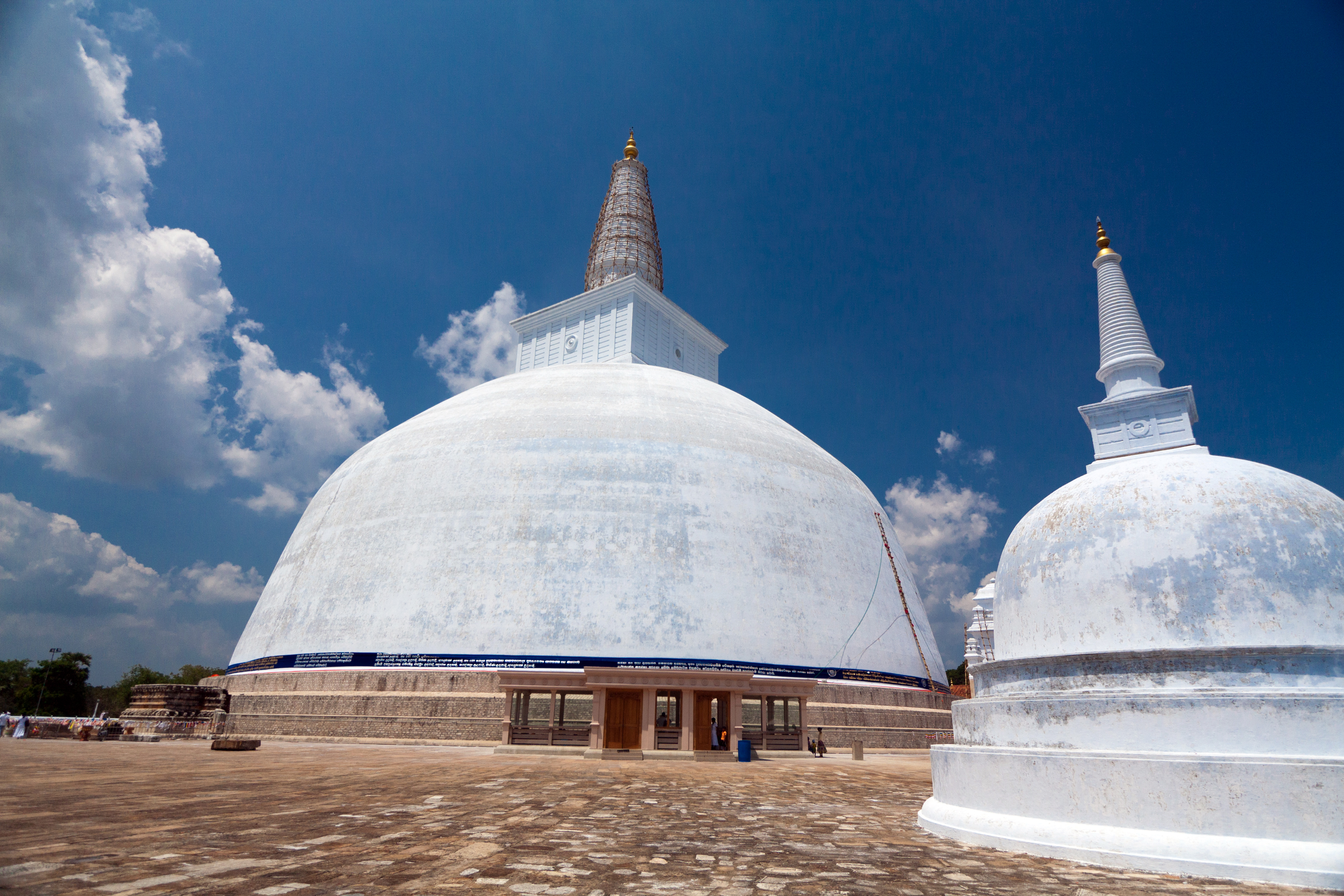
Ruwanweli Maha Seya — the spiritual heart of Anuradhapura, glowing white against the sky. Photo: Idobi, CC BY-SA 4.0, via Wikimedia Commons
The short answer
Two days is the sweet spot for most travellers. One day covers the essential highlights — Ruwanweli Maha Seya, the Jaya Sri Maha Bodhi, Jetavanaramaya, and either the Abhayagiri Monastery complex or the Isurumuniya rock temple, depending on your energy — but the sheer scale of the site means you will feel rushed. A single day works if you arrive very early (before 7 AM), hire a driver for the entire day, and are comfortable with a packed schedule. For anyone who wants to experience rather than sprint through one of Buddhism’s most sacred cities, two days allows you to visit the major sites at a sensible pace, return to your favourite spots at sunset when the light and atmosphere are at their best, and add Mihintale — the hilltop complex 12 kilometres east where Buddhism was first preached in Sri Lanka. Three days is only necessary if you plan to visit every single site in detail, are a serious archaeology or Buddhist studies enthusiast, or want to include a day trip to nearby Mihintale and the Ritigala Forest Monastery. For the overwhelming majority of visitors, two days is enough.
What’s worth doing
- Ruwanweli Maha Seya — The most visually striking stupa in Anuradhapura, this enormous white dome was built by King Dutugemunu in the 2nd century BCE and is said to enshrine relics of the Buddha himself. The entire courtyard is paved in pale stone and the stupa rises 103 metres high, gleaming brilliant white against the blue sky. You can walk clockwise around the base following pilgrims who carry lotus flowers and incense, and the atmosphere peaks in the late afternoon when the golden light catches the stupa and the shadows lengthen across the courtyard. The elephant statues around the base were restored in the 20th century but follow the original design, and the sound of prayer bells and chanting creates an atmosphere that makes the scale feel sacred rather than overwhelming.
- Jaya Sri Maha Bodhi — The oldest documented tree planted by human hands, over 2,300 years old. This sacred fig tree was grown from a cutting of the Bodhi Tree in Bodh Gaya, India, brought to Sri Lanka by Princess Sangamitta in the 3rd century BCE. The tree now stands on a raised platform surrounded by gold railings, and daily ceremonies attract hundreds of devotees who arrive bearing lotus, jasmine, and incense. The atmosphere is reverent but welcoming — you can sit in the shaded courtyard and watch the ritual without feeling intrusive. You must remove your shoes before entering the platform area, and the pavement can be extremely hot by mid-morning, so bring socks or visit before 9 AM.
- Jetavanaramaya — At the time of its construction in the 3rd century, this was the tallest brick structure in the world and the third tallest structure of any kind after the Great Pyramid of Giza. The stupa was originally over 120 metres tall and its base covers roughly 5.6 hectares — about the size of eight football fields. Today it stands 70 metres after restoration but still dominates the landscape. The scale is genuinely difficult to comprehend until you stand at its base, and the surrounding ruins of the monastery complex — which once housed 3,000 monks — stretch for hundreds of metres in every direction. This is also one of the quieter major sites, with fewer pilgrims and tour groups than Ruwanweli Maha Seya.
- Abhayagiri Monastery and Vihara — One of the largest monastic complexes in the ancient world, Abhayagiri was once home to over 5,000 monks and functioned as a major centre of Mahayana Buddhist learning. The stupa itself is the second largest in Anuradhapura, standing 75 metres tall, but the real draw here is the sprawling site that includes the Moonstone carving at the entrance, the Samadhi Buddha statue (a 4th-century seated Buddha considered one of the finest sculptures in Sri Lanka), and the twin ponds of Kuttam Pokuna — ornate bathing pools with stepped entrances and carved crocodile-mouth spouts that demonstrate the sophistication of ancient Sinhalese hydraulic engineering.
- Isurumuniya Temple — A small but exquisite rock temple built by King Devanampiya Tissa in the 3rd century BCE, famous for its stone carvings including the Isurumuniya Lovers — a 5th-century relief that has become one of the most recognised pieces of ancient Sri Lankan art. The temple is carved into a rock outcrop with a small pond in front, and the setting — tucked away from the main ancient city area — is peaceful and genuinely atmospheric. The entrance fee is LKR 1,000, separate from the main sacred city ticket.
- Mihintale — A 15-minute tuk-tuk ride from Anuradhapura town, this hilltop complex is where Mahinda, the son of Emperor Ashoka, is said to have first preached Buddhism to King Devanampiya Tissa in the 3rd century BCE. The climb involves 1,840 granite steps and takes about 30–45 minutes, but the views from the top across the surrounding plains and reservoirs make the effort worthwhile. The complex includes a large stupa, meditation caves, and the Aradhana Gala — the rock of invitation where Mahinda first encountered the king. Entry is LKR 1,000 for foreigners.
Getting around
Anuradhapura’s ancient city is not walkable — it is too large and the distances between the major sites are too great in the tropical heat. The best option for most travellers is to hire a tuk-tuk driver for the day, which costs approximately USD 15–25 depending on your negotiation skills and how many sites you want to cover. Drivers who know the ancient city will suggest a logical route that groups sites by proximity and saves you crossing the same area twice. Bicycle hire is available for roughly USD 3–5 per day from guesthouses near the sacred city, and cycling is a pleasant option if you are comfortable riding on moderately busy roads — the terrain is flat and many of the roads within the archaeological zone are shaded by large trees. Self-driven scooters are also available for around USD 8–12 per day but require an International Driving Permit. A private car with air conditioning costs approximately USD 35–50 for a full day and is worth considering if you are visiting between March and October when the heat is intense. The tuk-tuk is the most common and authentic choice. Agree on the itinerary and price before you start, and confirm whether the driver will wait at each site or drop you off and return.
What to budget
Anuradhapura is one of the more budget-friendly destinations in Sri Lanka’s Cultural Triangle. A reasonable daily budget per person is approximately USD 45–65 for mid-range travel, or USD 25–35 for budget travel. The main expense is the sacred city entry ticket: USD 30 for foreign adults (approximately LKR 9,570 at current rates) which includes access to all major sites within the sacred area — Jetavanaramaya, Abhayagiriya, and the main temple complex. This ticket is valid for one day, so if you plan to visit over two days you will need to pay twice, though many travellers find they can cover most of the major sites in one full day and use the second day for Mihintale which has its own separate entry of LKR 1,000. Accommodation ranges from USD 8–15 for a basic guesthouse room near the sacred city to USD 25–45 for a mid-range hotel with air conditioning and breakfast. Meals are inexpensive: a rice and curry lunch at a local restaurant costs about USD 2–3, a meal at a tourist-oriented restaurant costs USD 5–8, and a decent dinner for two with drinks at a mid-range hotel restaurant runs around USD 15–20. Tuk-tuk hire for a full day of sightseeing costs USD 15–25, and a one-way ride between sites within the city is typically USD 1–2. Transport from Colombo to Anuradhapura costs approximately USD 4–8 by government bus (about 5 hours), USD 10–15 by semi-luxury AC bus, or USD 3–5 for second-class train on the Colombo–Kandy–Anuradhapura line. Over two days, you can expect to spend approximately USD 36–60 on accommodation, USD 20–30 on meals, USD 30–50 on transport within the city, and USD 60 on the entry tickets.
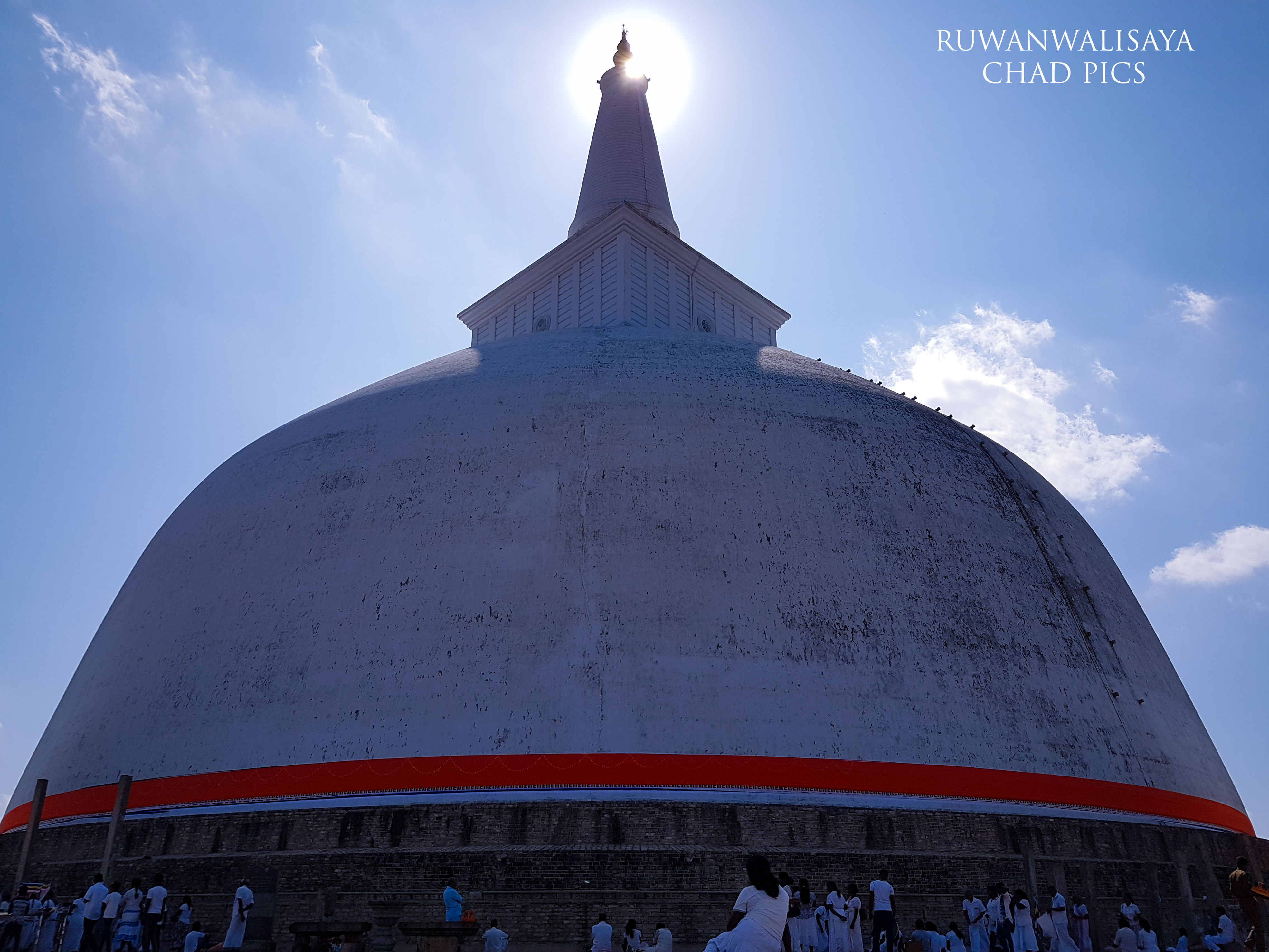 Jetavanaramaya — once the tallest brick structure in the world, rising from the jungle. Photo: Chadpics, CC BY-SA 4.0, via Wikimedia Commons
WATCH OUT FOR
The heat is the single biggest challenge in Anuradhapura — the ancient city sits in Sri Lanka’s dry zone, and temperatures regularly reach 33–36 degrees Celsius between March and October, with humidity making it feel significantly hotter. Do not plan to walk between sites during the middle of the day; even a short 15-minute walk in direct sun at noon can trigger heat exhaustion. Arrange your schedule around two sessions: 6:30 AM to 10:30 AM, then 3:30 PM to sunset. The Jaya Sri Maha Bodhi platform can become unbearably hot on bare feet by 9 AM, so carry socks or visit first thing in the morning. Several travellers report that some tuk-tuk drivers offer a flat day rate then rush through the itinerary or add extra charges for waiting time at each site — confirm upfront whether waiting is included. The sacred city ticket office closes at 5 PM, and some ticket vendors near the less-visited sites may quote inflated prices to tourists who have not bought the full pass — always buy the main ticket at the official entrance to the sacred area rather than at individual sites. Monkeys are present at most of the major stupas and they will steal food, sunglasses, and anything small and shiny — keep your belongings zipped and do not eat near the monuments. Photography rules vary: some areas around the Jaya Sri Maha Bodhi prohibit photography of the tree itself, and you should never turn your back to a Buddha statue or image while taking a photo. Finally, the separate Isurumuniya Temple ticket (LKR 1,000) is not included in the USD 30 sacred city pass, and several smaller temples — including the Lankarama stupa and Mirisavetiya — do not require tickets but are on the periphery and worth knowing about in advance so you can plan your route efficiently.
GOOD TO KNOW
The best months to visit Anuradhapura are December through April, when the weather is drier and the temperatures are slightly lower. If you visit between May and October, the heat is more intense but the crowds are far smaller and you will often find yourself alone at major monuments in the early morning. The nearest major transport hubs are Dambulla (about 70 kilometres south), Habarana (about 30 kilometres southeast), and Kandy (about 135 kilometres south). Anuradhapura has its own railway station with direct trains from Colombo Fort on the Northern Line — the journey takes about 4–5 hours and the train passes through rice paddies, jungle, and dry zone landscapes that are strikingly beautiful in the early morning light. Women visiting the sacred sites should cover shoulders and knees — this is strictly enforced at the Jaya Sri Maha Bodhi and Ruwanweli Maha Seya. A long skirt or sarong paired with a scarf or shawl works well. Men should wear trousers or long shorts and remove shirts at the waist before entering. It is customary to remove shoes and hats at all temple and stupa entrances. The current exchange rate is approximately 319 LKR to 1 USD, and most guesthouses and restaurants in Anuradhapura town accept cash only — there are ATMs near the bus station and in the town centre but they are unreliable and occasionally run out of cash on weekends, so bring enough LKR with you from Colombo or Dambulla. The official online ticketing portal operated by the Central Cultural Fund at eservices.ccf.gov.lk allows you to purchase the sacred city ticket in advance, which saves time at the gate. A guided tour costs approximately USD 30–50 for a half-day private tuk-tuk tour that includes an English-speaking guide who can explain the historical and religious context of each site — this is worth considering if you want to understand what you are looking at rather than simply seeing ancient ruins.
WHERE TO STAY
- The Rajarata Hotel — A Sri Lankan government-run hotel located near the New Town, about 3 kilometres from the sacred city entrance. Guests consistently describe the rooms as clean and spacious with working air conditioning, and the pool provides welcome relief after a hot morning of sightseeing. The restaurant serves good Sri Lankan rice and curry buffets at reasonable prices, and multiple reviews note that the staff are particularly helpful with arranging tuk-tuk tours and giving accurate information about opening hours. Expect to pay approximately USD 30–40 per night for a double room with breakfast.
- Tisa Guest House — A small family-run guesthouse within walking distance of the Ruwanweli Maha Seya complex, popular with budget travellers and solo backpackers. The standout feature mentioned in guest reviews is the homemade breakfast — fresh roti, fruit, and hoppers served on the rooftop terrace with views of the surrounding green canopy. The owner speaks good English and has been recommended in multiple reviews for organising efficient day tours that cover all the major sites without unnecessary detours. Rooms start at approximately USD 10–15 per night.
- Forest Rock Garden Hotel — Located about 2 kilometres from the ancient city, this mid-range hotel sits in a quiet area surrounded by trees and offers a more relaxed atmosphere than the town-centre options. The owners are a retired Sri Lankan couple who live on the property, and reviews repeatedly mention the personal attention and the quality of the home-cooked dinners — one guest described the curry as “the best I ate in Sri Lanka in three weeks.” The rooms are simple but spotless, with mosquito nets and air conditioning. Rates run approximately USD 20–30 per night.
- Ulagalla by Uga Escapes — For travellers who want a luxury base near Anuradhapura, this resort is located about 20 minutes from the ancient city and sits on a private 58-acre estate surrounding a lake. Guest reviews emphasise the exceptional service, the pool villas with private plunge pools, and the quality of the restaurant. The resort offers guided heritage tours that include a private driver and guide for the day, making it a convenient option for couples who want comfort after a long day of sightseeing. Rates from approximately USD 150–250 per night.
- Sevana City Hotel — A reliable mid-range option in the centre of Anuradhapura New Town, close to restaurants and shops. Guests consistently praise the value for money — modern rooms with good air conditioning, a clean swimming pool, and a restaurant that serves both Sri Lankan and Western dishes. The location means you can walk to several restaurants in the evening without needing a tuk-tuk. Rates are approximately USD 25–40 per night for a double room.
The bottom line
Anuradhapura deserves the time you give it — not because it is on a checklist, but because it captures something fundamental about Sri Lanka’s identity that the beaches and the hill country cannot show you. Two days gives you the unhurried experience that turns a visit to ruins into an understanding of why this city has been sacred for over two millennia. Plan your mornings, respect the heat, and let the place reveal itself at its own pace.
Have a specific question about your Sri Lanka trip?
Ask BYC at byc.lk — free, honest, no upsell. Ever.
Ask BYC Your Question →