Sri Lanka vs Bali: Which Should You Choose? (A 314K-Review Comparison)
For most travellers deciding between the two, Sri Lanka wins on value, variety and emptiness — you get proper surf, beaches, a cool hill country, wildlife and ancient cities in one compact island — while Bali wins if you want the world's most developed wellness, cafe and surf scene with endless choice and no thinking required. This guide compares them on the axes real travellers weigh up, using 314,000+ guest reviews from Sri Lanka's actual stays and honest, first-hand framing on the Bali side.
You can have a genuinely comparable holiday in either place — both are warm, cheap by Western standards, beach-and-surf-heavy and easy to reach from Europe and much of Asia on budget carriers. The question "Sri Lanka or Bali?" is really several smaller questions wearing a trench coat: Which has better waves for my level? Which is better value right now? Do I want empty coast or a buzzing scene? Am I OK with a tuk-tuk instead of a scooter with a proper road? This page works through each in turn.
Last updated: September 4, 2026. All Sri Lanka figures below are drawn from our analysis of 314,077 guest reviews of real Sri Lanka stays; we do not pretend to hold comparable data for Bali and say so plainly where we are speaking from general knowledge of it.
The short answer
Choose Sri Lanka if you want an actual journey. The island is small enough that you can surf the south in the morning and stand in a 2,000-year-old fortress city a few days later, with the hill-country train in between — and it does this at a price that routinely undercuts Bali's famous-brands premium. It is the emptier, wilder, more varied pick, and our 314,000+ review analysis shows guest satisfaction stays strong right across the beach belt (south-coast and east-coast beach areas average 8.55/10).
Choose Bali if you want a furnished scene. If your dream is digital-nomad cafes, world-class yoga and surf lessons a walk from your door, a mature restaurant scene, and the sheer choice of a very developed tourism economy, Bali delivers it with less planning and more polish. The trade-off is crowds and, increasingly, cost — Bali is no longer the screaming bargain it once was, and in peak months its headline spots can feel curated rather than discovered.
The honest through-line: about a week, on a budget that values variety and doesn't fear a bit of rough-around-the-edges and some long transfer days → Sri Lanka. A beach-and-scene-only trip on Bali's terms, maximising comfort and killing a smaller box-ticking impulse → Bali handles it effortlessly.
Surf & beaches
This is where most people actually start the decision, and it is genuinely close — with an important split for beginners.
For raw surf quality and uncrowded points, Sri Lanka edges it. The south coast (Mirissa, Weligama, Hikkaduwa, Tangalle) and the east-coast surf village of Arugam Bay give you reliable swell and some genuinely world-class point breaks with far fewer boards in the water than Bali's famous lineups. The review data says the beach-and-surf belt is dependable — across Negombo, Mirissa, Trincomalee, Bentota, Unawatuna, Hikkaduwa, Weligama, Arugam Bay, Pasikuda, Tangalle and Nilaveli, 80,000+ reviews average 8.55/10, and the standout stays run to the high nines on deep review counts (Riff Hikkaduwa at 9+, Coastline Mirissa, KOMOREBI Weligama are among the most-loved on their strips). For intermediate-to-advanced surfers who want quality without fighting for every wave, Sri Lanka is underrated.
For learning to surf, Bali is more forgiving of beginners. Bali's swells are more consistent and its teaching infrastructure — fixed boards on every beach, a surf school on every corner, gentle white-water breaks like Kuta and Canggu-side spot for first lessons — is the smoothest on the planet. Sri Lanka's beginner experience is good (Weligama Bay is a classic gentle learn-to-surf spot) but the operation is smaller and less "plug-and-play."
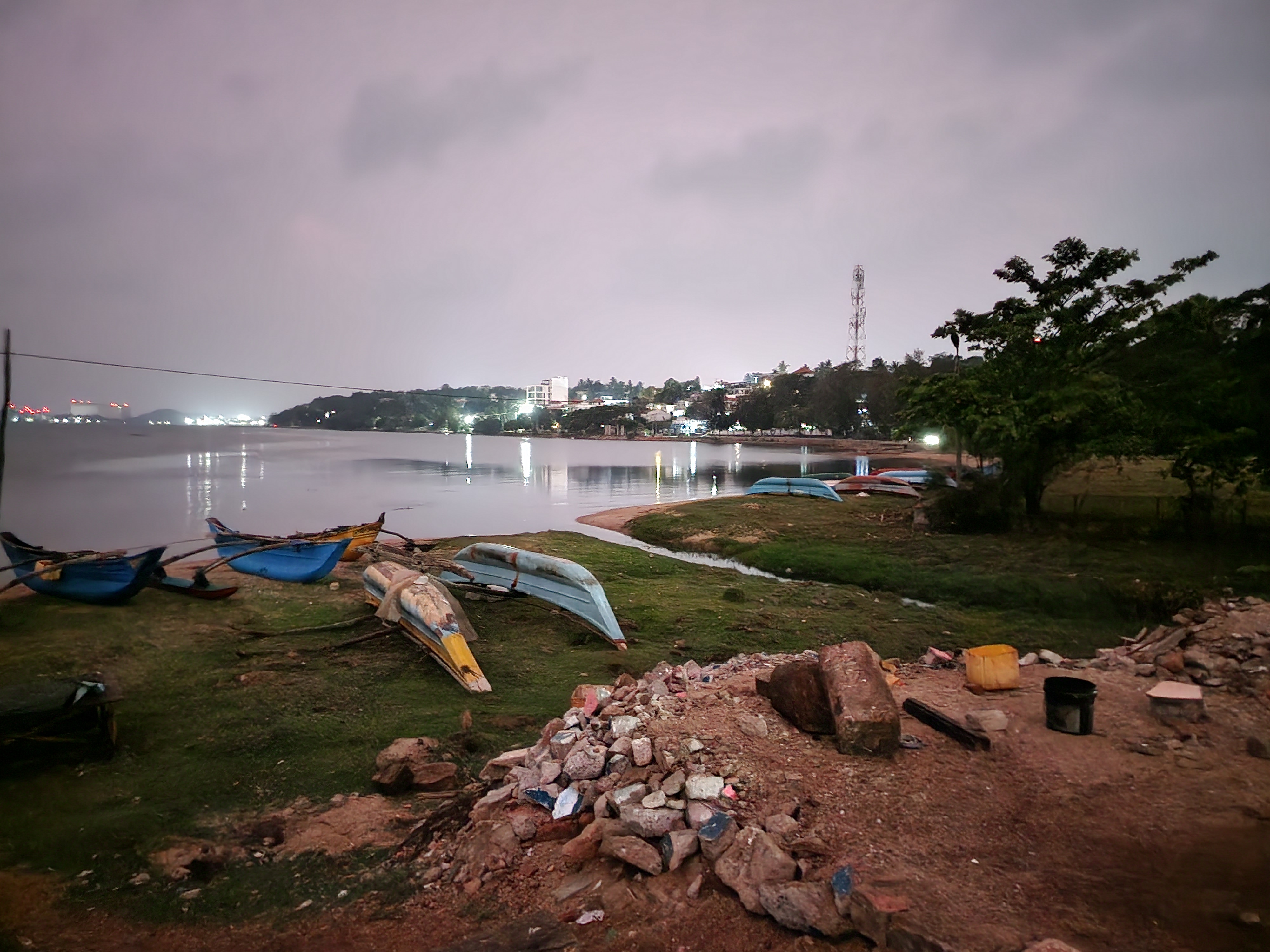
The beach character differs sharply. Sri Lanka gives you long, mostly empty, sometimes wild stretches of sand — Pasikuda's famously calm, shallow aqua bay; Mirissa's coconut-backed coves; the big, near-deserted beaches of the south and east. Bali is more built-out: gorgeous, dramatic and often crowded, with beach clubs, sunbeds and a party or wellness soundtrack attached. If "an empty beach to myself" is the goal, Sri Lanka almost always wins; if "a beautiful beach with everything arranged around it" is the goal, Bali is hard to beat.
Seasons: when each island is at its best
Here the two are near mirror images, and it can be the single biggest factor in the choice.
- Bali's dry season is roughly April – October — its Austral-winter window when the south (Kuta, Canggu, Seminyak, Uluwatu and the Bukit surf) is at its best and the crowds peak around July–August and the December holidays.
- Sri Lanka's southwest is best November – April (the northeast-monsoon dry window on that coast), peaking December–February — which is exactly when many European travellers' winter sun window opens, and why Sri Lanka's review data shows its strongest, busiest season then.
- Sri Lanka's east coast flips the other way, best roughly April–September (Arugam Bay's surf season and Trincomalee's dry window). A holiday split across both coasts can chase the sun nearly year-round — a flexibility Bali's single rainy/dry cycle doesn't offer in the same way.
Practical read: for a Northern-Hemisphere winter escape (December–February — your school-holiday window), Sri Lanka's southwest is in prime form while Bali is in or heading into its wet season, so the winter pick leans Sri Lanka for reliable sun. In northern summer (July–August, when schools are out in Europe), Bali is at its glorious best while Sri Lanka's southwest is getting monsoon rain — though you can pivot to Sri Lanka's east coast, which is dry and perfect that very same window. See our coast-by-month comparison and the European winter season study for the Sri Lanka-side detail.
Value & cost
Prices move, but the durable shape of the comparison has held for years: for the same standard of surf-side stay, Sri Lanka is typically the cheaper island. The gap is widest for a couple on mid-range private rooms and driver-assisted movement, and narrower when you want Bali's volume of budget guesthouse competition.
On the Sri Lanka side you are travelling in a country whose everyday economy is inexpensive and whose island is compact — short distances keep transport spend down, and you cross-travel easily between coast, hill country and Cultural Triangle in one holiday. Bali's internal costs have been climbing with its fame: Instagram-famous cafes, villas and "digital nomad premium" pricing push its headline spots toward (and sometimes past) what you'd pay in parts of tourist Europe.
Where Sri Lanka quietly costs more is the extras you'll be tempted by — driver days (cheap but you'll likely take them), safari entries, and the fact that some small beach stays are still cash-only, so you'll want a decent stash of rupees plus a card rather than a phone-and-card-only setup. Bali is more card-and-app friendly end to end. For a full Sri Lanka budget picture, use our 2026 cost guide and cash guide.
What else is on offer around the beach
If your holiday is "beach plus a few days of something else," this is where Sri Lanka decisively pulls ahead — because it isn't just a beach.
- Wildlife that you actually watch: leopard safaris in Yala, thousands of elephants in Udawalawe and Minneriya, whales off Mirissa — all a few hours from the coast.
- A hill country most people never expect: tea-plantation landscapes, Nuwara Eliya's cool air and the famous Kandy–Ella scenic train through misty mountains — a genuinely different climate and vibe a short ride from the beach.
- Ancient cities and culture: the Sigiriya rock fortress, Polonnaruwa and Anuradhapura's ruins, the Temple of the Tooth in Kandy — history at a density Bali doesn't rival on the same scale.
- Whale- and turtle-watching from Mirissa and the south coast, and the national marine parks of the east coast.
Bali's non-beach highlights are real but lower-key: Ubud's rice terraces and spiritual/wellness scene, temples like Tanah Lot and Uluwatu, waterfalls, and the islands of Nusa Penida and the Gili’s nearby. It's lovely — but it is a smaller, more curated menu than Sri Lanka's wildlife-plus-history-plus-hill-country spread.
Getting around & ease of travel
This is the honest flip side, and it matters.
Sri Lanka asks more of you logistically. Distances are short but the country's character is "journey": the Kandy–Ella train is a highlight but a full day; the Cultural Triangle to the south coast is a proper drive; and the east-to-south coast hit takes a whole travel day. Most travellers use a private driver or a mix of hired car and train, which works beautifully but needs planning. Some beach areas still lean cash-only and a little rough around the edges. None of this is a problem — it is part of what makes it feel like an adventure — but it is not zero-effort.
Bali is the easier holiday machine. A dense network of cheap scooter rentals (with better road manners than most people fear), reliable ride-hailing apps, an enormous choice of accommodation at every price, and an infrastructure built for visitors who want to glide. You can fly in, grab a scooter, and have a beach day without planning a single transfer. If comfort and frictionless movement are your priority, Bali is the smoother choice.
Crowds & the "discovered" factor
Bali has been world-famous for decades, and its marquee spots — Canggu, Ubud, Uluwatu, the beach clubs — carry that weight in crowds and a certain sameness created for the Instagram-led traveller. Sri Lanka, though increasingly popular (it regularly lands on "hotlist" coverage by 2026), is still less saturated: our review data shows genuine raw-thrill reports of empty beaches, uncrowded lineups and just-discovered coastline, alongside a fast-gentrifying south coast. For travellers who hate fighting for a beach lounger or waiting for a wave, that “earlier in its arc” feel is one of Sri Lanka's most valuable, if intangible, assets right now.
WHICH TRAVELLER SHOULD PICK WHICH
- Pick Sri Lanka if you're: a couple or family wanting one varied holiday (beach + wildlife + hill country + culture) rather than a pure beach; a surfer after quality uncrowded breaks or empty beaches to yourself; a first-timer to the region wanting maximum variety for your money; a winter (Dec–Feb) sun-seeker.
- Pick Bali if you're: a first-time surfer who wants the easiest learn-to-surf setup on Earth; a digital nomad or wellness-trip taker wanting cafes, yoga, community and polish; looking only for a beach-and-scene break and don't want to plan transfers; travelling in northern summer (Jul–Aug) and want a single reliably dry beach base without hopping.
Bottom line
Neither is the "correct" answer — they reward different travel styles. Sri Lanka is the bigger, wilder, better-value journey: fewer crowds, more variety and the unexpected around every corner, with 314,000+ guest reviews showing consistently strong satisfaction across its beaches and surf. Bali is the smoother, more developed, more comfortable beach-and-scene holiday for the traveller who wants everything arranged and a gentler learning curve for surf and logistics. If you want one island that feels like several holidays for the price of one, choose Sri Lanka; if you want the world's most polished beach-and-wellness machine with the least planning, choose Bali.
Planning the Sri Lanka side? Use our Weather & Season Verifier to check your dates, the Trip Budget Calculator for costs, and our coast-by-month comparison to decide which Sri Lankan coast suits your month. And if travel type is your real question, see who rates Sri Lanka highest by traveller type.
Have a specific question about your Sri Lanka trip?
Ask BYC at byc.lk — free, honest, no upsell. Ever.
Ask BYC Your Question →