Arugam Bay travel warning - what the reviews reveal about Sri Lanka's surf capital
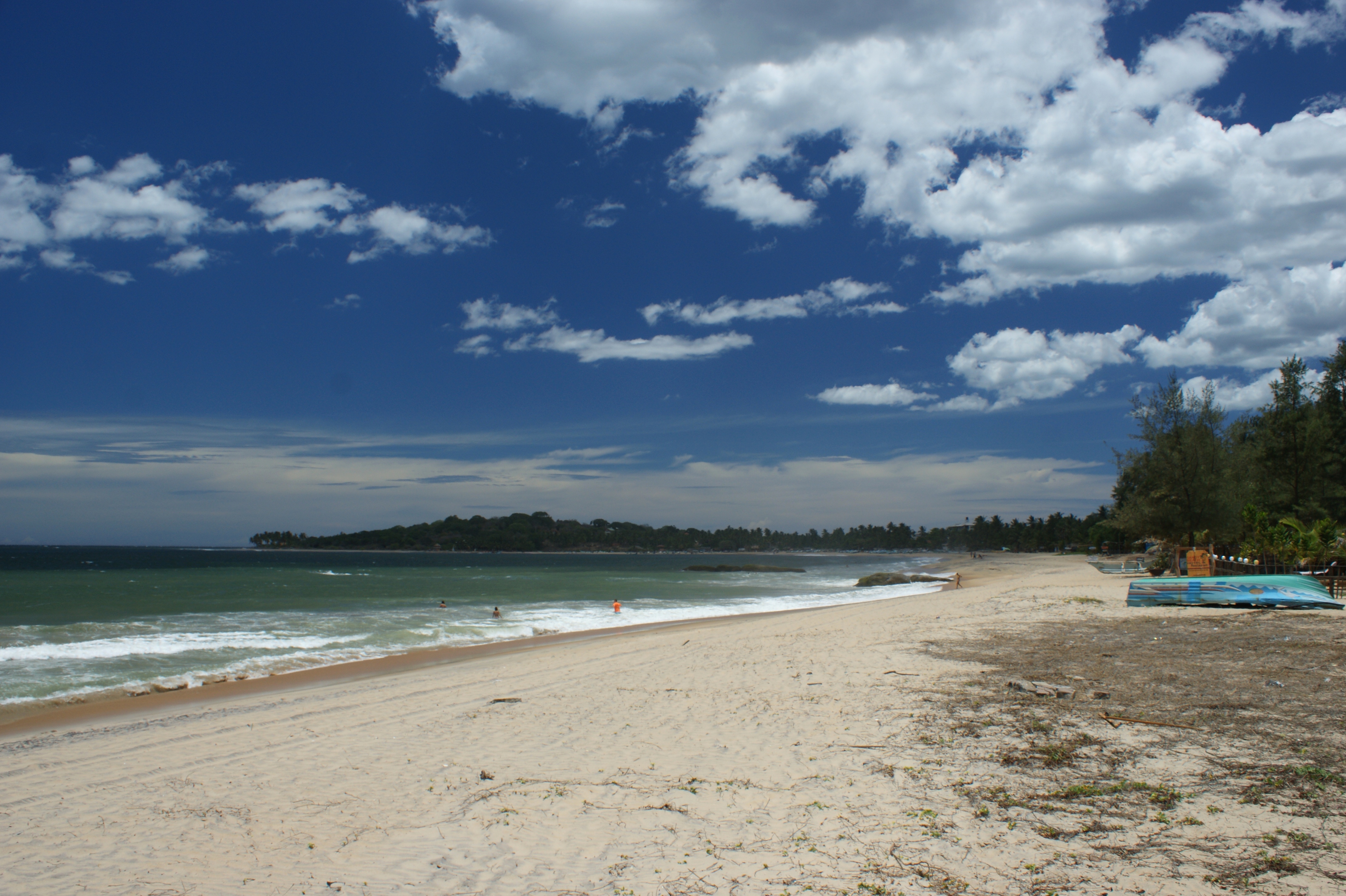
Arugam Bay is the poster child of Sri Lanka's east coast surf scene. A crescent of golden sand on the country's southeastern shore, it draws wave-chasers from Bali, Portugal, and California with a famous right-hand point break that peels for two hundred metres on a good day. The vibe is laid-back, the guesthouses are basic but affordable, and the sunsets over the Indian Ocean are exactly what you came for.
But a deep dive into thousands of real guest reviews reveals a destination with more seasonal constraints, infrastructure gaps, and off-season realities than the Instagram feed suggests. The dry-season Arugam Bay is a tropical paradise. The monsoon-season Arugam Bay is a near-ghost town where half the properties are shuttered and the beach is unswimmable. Here is what the reviews actually reveal.
The short answer
Visit Arugam Bay between May and October. This is the official dry season on the east coast, when the surf is at its most consistent, the ocean is calm enough for swimming, and the full strip of restaurants and guesthouses is open for business. Outside these months, the northeast monsoon brings rain, rough seas, and a near-total shutdown of tourism services. The difference between a June trip to Arugam Bay and a December trip is the difference between a holiday and a mistake.
Arugam Bay is not for everyone. It is a beach town built around surfing, with a single main street, limited nightlife, and a sleepier pace than the south coast resorts. Travellers who love it describe it as the most authentic beach experience in Sri Lanka. Travellers who do not describe it as boring, dusty, and overpriced for what it offers. If you are weighing it against the southwest coast’s original surf town, our Arugam Bay vs Hikkaduwa comparison is the data-backed head-to-head. Know what you are signing up for before you book the flight.
What's worth doing
- Surfing at the Main Point - The reason most travellers come to Arugam Bay. The right-hand point break off the southern headland delivers consistent waves from April to October, with swells that can run from one metre to three metres depending on conditions. Intermediate to advanced surfers get the most out of it. Beginners are better off at Whiskey Point to the north, where the waves are gentler and the seabed is more forgiving. Board rental runs $10-15 per day for a decent shortboard or foamie. Surf schools charge $20-30 for a two-hour lesson including board hire.
- Whiskey Point - Two kilometres north of the main bay, this mellow break is where beginners learn and longboarders cruise. The waves are smaller and less powerful than the main point, the vibe is relaxed, and the beachside restaurant at Keyo Bay serves decent food with a view of the break. The walk from town along the beach takes about twenty minutes - a pleasant morning stroll if the tide is low.
- Elephant Rock - A distinctive rocky outcrop that resembles an elephant drinking from the sea, located about three kilometres south of Arugam Bay along the coastal road. The rock formation is a natural landmark and a popular photo stop. The beach here is quieter than the main bay and worth a visit for the views alone. Best visited at low tide when you can walk around the base of the formation.
- Pottuvil Lagoon - A vast inland lagoon system east of Arugam Bay, accessible via dugout canoe from the Pottuvil side. The boat ride through mangrove channels is a calm contrast to the ocean surf, with birdlife that includes kingfishers, herons, and the occasional eagle. A two-hour boat tour costs $15-20 and is best done at dawn or dusk when the lagoon is quiet and the light is golden.
- Muhudu Maha Viharaya - An ancient Buddhist temple complex near Pottuvil with a partially excavated stupa and monastery dating back to the 2nd century BC. The ruins sit just behind the beach, making this a rare combination of archaeological site and coastal scenery. Entry is free, and the site is usually empty of other visitors. The temple staff appreciate modest dress and a small donation.
- Kumana National Park - A lesser-known national park about forty kilometres south of Arugam Bay, accessible by safari jeep. It is less commercialised than Yala but offers similar wildlife - elephants, leopards, sloth bears, and exceptional bird diversity with over 400 species recorded. A half-day safari costs $40-60 including park fees, jeep hire, and a driver-guide. The best time for birdwatching is early morning from April to July.
- Lagoon crab curry dinners - The seafood in Arugam Bay is a highlight that comes up in almost every traveller's account. The fresh lagoon crab cooked in a spicy coconut curry is the standout dish. Several guesthouses on the main street serve it family-style, and the communal dinner tables are where solo travellers meet and plans for the next day's surf session get made.
Getting around
Arugam Bay is walkable. The main strip runs about a kilometre along the beach, with guesthouses, restaurants, and surf shops all within a ten-minute walk of each other. Most travellers never need a vehicle for the duration of their stay. For trips to Whiskey Point, Elephant Rock, or Pottuvil, a bicycle is the preferred transport for the majority of visitors. Bike rental costs $3-5 per day from any guesthouse or shop along the main road.
Tuk-tuks are available for longer trips - to Pottuvil ($2-3), to Kumana National Park ($15-20 one way), or to the surf breaks further south ($5-10 depending on distance). Negotiate the price before you get in. The PickMe app works in Arugam Bay but the selection of drivers is thinner than in Colombo or the south coast.
Getting to Arugam Bay from Colombo takes five to six hours by road. The most direct route is via Ella, through the hill country and down the eastern escarpment. A private taxi costs $80-100. The public bus from Colombo's Bastian Mawatha bus station costs $5-7 and takes about seven hours with a change at Pottuvil. The bus is an experience - crowded, hot, and unforgettable - but not recommended for anyone with a tight schedule or a weak stomach for winding mountain roads.
For travellers coming from the south coast, the journey via Tissamaharama and through the Yala-Kumana corridor takes four to five hours. The road from Tissa to Pottuvil is narrow and winding in sections, with the last hour of travel through forest and lagoon landscape that is beautiful but slow.
What to budget
Arugam Bay is cheaper than the south coast resorts but more expensive than the hill country. The town's seasonal nature means prices fluctuate significantly between peak season (June-August) and shoulder season (May and September).
- Budget traveller: $25-35/day. Dorm beds $8-12, local rice-and-curry lunches $3-5, surfboard rental $10-15, bicycle hire $3-5, street food dinner $4-7. The surf backpacker lifestyle works well on this budget, especially if you are staying in a shared dorm with other wave-seekers.
- Mid-range traveller: $50-80/day. A private room in a good guesthouse $20-40, mixed dining with seafood dinners $12-18, tuk-tuk trips $5-10, a guided activity like the lagoon boat tour $15-20, and factor in the premium for beer and cocktails which cost more here than in the south.
- Luxury traveller: $120-200/day. Beachfront villas and boutique properties $60-120, private surf coaching $40-60, private driver for day trips $30-50, and the best tables at the top restaurants where a full seafood spread with drinks runs $20-30.
The biggest seasonal trap is accommodation pricing. Guesthouses that charge $15 in May can be $50 during peak surf season in July. Book early for June to August and be aware that many properties post different prices on different booking platforms - the cheapest rate is almost always found by booking directly through the guesthouse's own website or by messaging them on WhatsApp.
WATCH OUT FOR
The seasonal shutdown is not negotiable. The single most important thing to understand about Arugam Bay is that it only works for tourism between May and October. Outside these months, the northeast monsoon pounds the east coast with rain and rough seas. The main point break turns into a washing machine. Most guesthouses and restaurants close entirely. The few that stay open operate on skeleton staff with limited menus. Travellers who booked November-March expecting the same experience as July describe arriving to shuttered properties and empty streets. Do not come to Arugam Bay outside the dry season expecting a normal beach holiday.
The surf breaks are not beginner-friendly. The Main Point break is a fast, powerful right-hander that demands a certain level of ability. Beginners who paddle out there without a lesson describe getting caught in the swell, losing boards, and coming back with stories that are funny in hindsight but stressful at the time. Take lessons at Whiskey Point first, build your confidence on the gentler waves, and graduate to the Main Point when your instructor says you are ready. The surf here is real - respect it.
Accommodation quality is hit-and-miss. Arugam Bay's guesthouse scene is dominated by small family-run properties that vary enormously in maintenance standards. The most common complaints in traveller feedback involve rooms that are older than listing photos suggest, bathrooms with inconsistent hot water, mosquito nets that have holes, and air conditioning units that struggle against the coastal humidity. Properties that look identical in photos on booking platforms can deliver wildly different experiences in person. Recent reviews with guest photos are worth more than the listing description.
The power and water situation is unstable. Arugam Bay sits at the end of the regional grid, and power cuts are a regular part of life during the monsoon season and occasionally even in the dry season. Some guesthouses have backup generators, many do not. Water pressure is a persistent issue, especially in upper-floor rooms. Travellers who arrive expecting uninterrupted hot showers and reliable WiFi are often disappointed. The properties that handle these constraints best have invested in solar backup, water tanks, and generator systems - ask before you book.
The main street gets dusty and loud. The unpaved sections of the main road through Arugam Bay turn to fine red dust in the dry months, and everything - rooms, clothes, electronics - accumulates a layer of it. The town is also the site of ongoing road construction, which means daytime noise and occasional disruption. Properties set back from the main road or further along the beach tend to be quieter and cleaner.
Mosquitoes are relentless. The lagoon and coastal location means Arugam Bay has a significant mosquito population year-round, with the highest density at dawn and dusk. Travellers who did not bring repellent describe evenings spent hiding under mosquito nets rather than enjoying the beachfront restaurants. Come prepared with DEET-based repellent, a mosquito coil, and a fan that creates enough airflow to keep them at bay.
ATM and banking limitations. The town has a single ATM that runs out of cash frequently, especially on weekends. Many guesthouses and restaurants operate on cash-only basis. The nearest reliable bank branch is in Pottuvil, five kilometres away, or in Kalmunai, thirty kilometres north. Carry enough cash for your entire stay and treat the local ATM as a backup, not a primary source.
GOOD TO KNOW
May and June are the sweet spot for surf conditions on the east coast. The swells are consistent, the winds are favourable, and the crowds have not yet reached peak-season density. July and August are the busiest months - the surf is still excellent but every guesthouse fills up, restaurants are packed, and the waves at the main point have queues of surfers waiting for sets. September brings the first signs of the monsoon transition with more cloud cover and the occasional rainy day, but the surf remains good through to mid-October.
Arugam Bay has a small but excellent food scene for a town of its size. The standout cuisine is the lagoon crab curry, prepared family-style at guesthouses like Hideaway and Arugam Bay Holiday Inn. The Indonesian influence shows up in the nasi goreng and satay options at several main-street restaurants. The Kerala-style fish curry at the beachfront eateries is another highlight that surf travellers from all over the world mention in their trips.
The best deals on accommodation come from booking directly. Many guesthouses offer 15-20% discounts off the online rate if you contact them via WhatsApp or their own website, and you avoid the platform commission entirely. The properties most open to direct booking are the mid-range family-run guesthouses - the budget dorms and the higher-end boutique villas tend to stick to their platform listings.
Getting a local SIM at the airport Colombo is essential. Arugam Bay has patchy mobile coverage in some areas and most guesthouse WiFi is unreliable, especially in the evenings when everyone is streaming. Dialog has the best coverage on the east coast. A 20 GB tourist SIM costs $7-10 and will save you hours of frustration.
The nearest larger town for supplies and services is Pottuvil, five kilometres north. It has a proper bank, a pharmacy, a hospital, and a market that sells fresh produce. The market is worth visiting even if you do not need anything - it is a genuinely local experience that few travellers make time for.
WHERE TO STAY
- Arugam Bay Holiday Inn - The most consistently praised guesthouse in the bay, with a lagoon-view garden that guests describe as a sanctuary after a day in the surf. The family-run service means returning guests are remembered and welcomed like old friends. The restaurant serves the best crab curry on the strip.
- Hideaway Arugam Bay - A collection of beachfront cabanas with direct access to the sand, earning consistent praise for the open-air bathrooms and the hammock-strung terrace where guests gather for evening conversations. The owners organise group surf trips to nearby breaks.
- Salt Gallery - A boutique hotel set back from the main road with a saltwater pool and contemporary design that stands out from the guesthouse scene. Guests repeatedly mention the quality of the breakfast - fresh fruit, local hoppers, and excellent coffee served in the garden. The quiet location makes it a favourite for couples.
- Keyo Bay - Right on Whiskey Point, this property is the preferred choice for beginner and intermediate surfers who want to roll out of bed and onto the waves. The ocean-view restaurant is a gathering spot for the local surf community, and the vibes are as good as the location.
- Surf Camp - The budget-friendly favourite, with dorm beds and basic private rooms that appeal to the solo surf traveller. Guests praise the community atmosphere - communal dinners, shared surf sessions, and a social calendar that makes it easy to find a surf buddy for the next day.
The bottom line
Arugam Bay is one of the best surf destinations in Asia, with a character and authenticity that the more developed south coast resorts cannot replicate. But it demands respect for its seasons, its limitations, and its infrastructure gaps. Come between May and October, book a proven guesthouse, carry cash, bring mosquito repellent, and you will understand exactly why the surf community around the world keeps Arugam Bay on their list. Miss the season, and you will wonder what everyone was talking about.
Have a specific question about your Sri Lanka trip?
Ask BYC at byc.lk — free, honest, no upsell. Ever.
Ask BYC Your Question →