What to Know Before Visiting Tangalle — Honest Guide from Real Guest Reviews
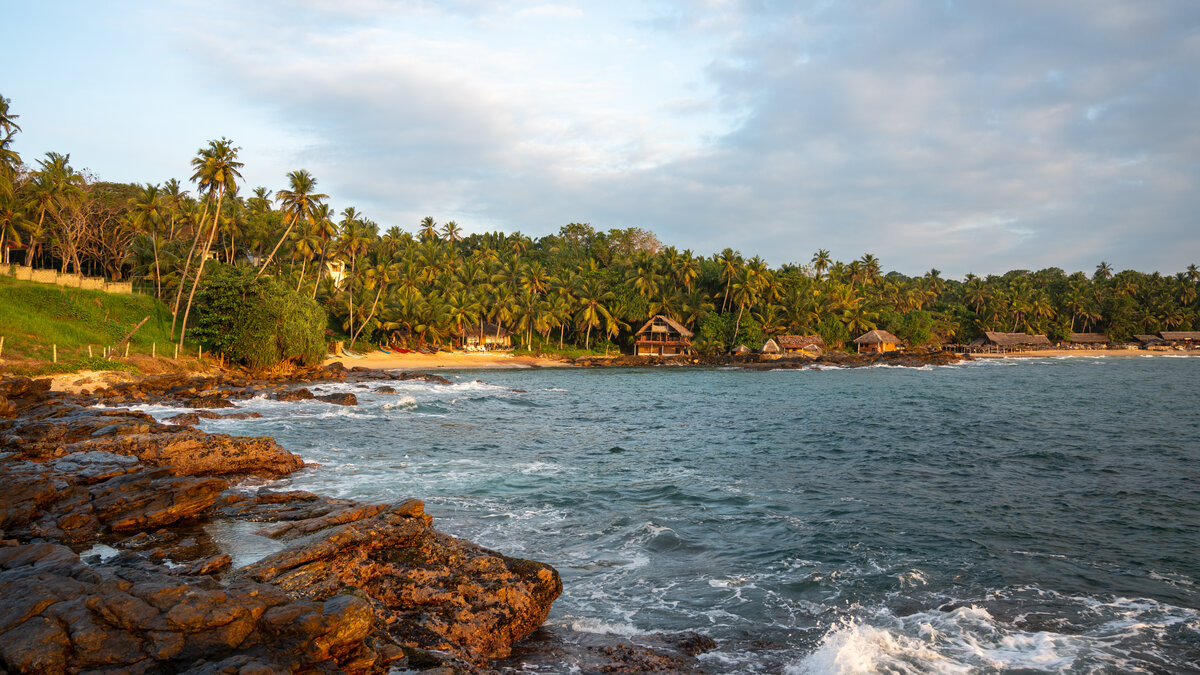
You are scrolling through Instagram photos of the south coast and every single one shows the same thing — a packed Mirissa beach with towels touching towels, or a lineup of surfers at Weligama jostling for the same wave. You want none of that. You want quiet coves, beaches where you can hear actual waves instead of reggaeton speakers, and mornings that don't start with a queue for breakfast. Tangalle is where you find that. But Tangalle is not a polished resort town — it is raw, spread out, and demands that you plan ahead instead of just showing up.
The short answer
Tangalle is the south coast for travellers who would rather have an empty beach to themselves than a sunset bar with a queue. It sits about 40 kilometres east of Matara, far enough from the Mirissa-Weligama strip that the crowds thin out dramatically. The beaches here — Goyambokka, Silent Beach, Marakolliya, Medaketiya — are genuinely beautiful and genuinely uncrowded. But the trade-off is that everything is spread out. You need wheels (a scooter or a tuk-tuk driver you trust) because walking between beaches takes longer than the guidebooks suggest. The town itself is a working fishing port, not a tourist promenade. If the compromise of traded convenience for solitude sounds good to you, Tangalle will be your favourite stop in Sri Lanka.
What's worth doing
- Goyambokka Beach — This is the beach you came for. A sheltered, palm-fringed cove with calm turquoise water that is genuinely swimmable most of the year. The beachside cafes serve cold drinks and crab curry, and because it is tucked away from the main road, the crowd stays thin even in high season. Go early morning (before 9 AM) to have it nearly to yourself.
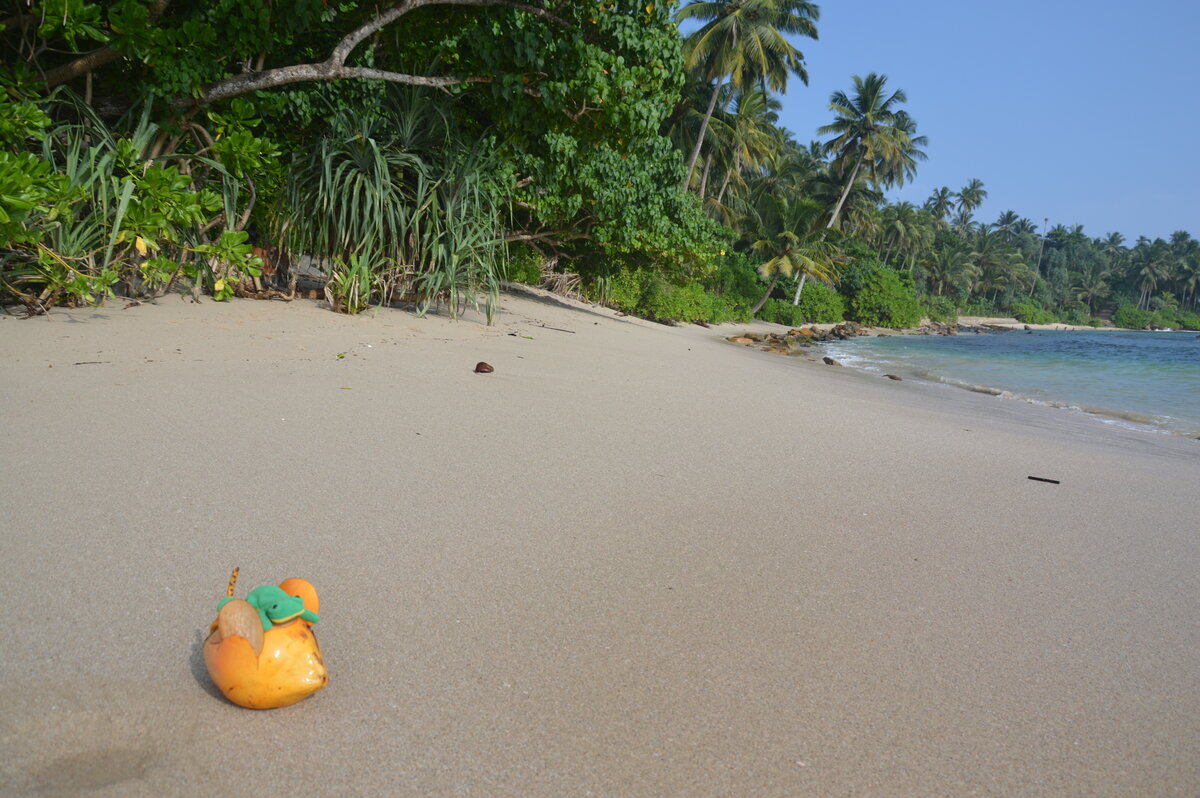
- Silent Beach (Pallikudawa) — The name is not marketing hype — this stretch of sand is genuinely quiet because it sits at the end of a rough access road that most tuk-tuks avoid. The water here is less calm than Goyambokka (good for body surfing, less ideal for a float), and the sunbeds are basic. But the emptiness is the point. Bring your own snacks and water because there is one small shack that runs out of food by midday.
- Rekawa Turtle Conservation Project — This is Tangalle's best wildlife experience and it requires booking ahead. From April to July, between 5 and 15 turtles come ashore each night to nest. The conservation team runs guided evening sessions (8:30 PM to 11:30 PM) with red flashlights so the turtles are not spooked. Book through your guesthouse or the project directly — walk-ins are turned away because they limit group sizes to protect the turtles.
- Tangalle Lagoon — A paddle through the mangroves is a half-day trip that works well as a morning activity before the heat peaks. You will spot monitor lizards, kingfishers, and if you are lucky, crocodiles sunning on the banks. Boat tours run about 5,000–6,000 LKR (USD 15–18) for a private boat — negotiate before you board.
- Mulkirigala Rock Temple — A 40-minute drive inland, this 7-tiered cave temple complex dates back over 2,000 years. The climb is steep but short (about 200 steps), and the views over the jungle from the top are worth the sweat. The murals inside the caves have survived for centuries. Dress modestly and bring a sarong — the temple provides one, but having your own means you can go straight up.
Getting around
A scooter is your best bet in Tangalle. The beaches are spread across several kilometres of coastal road, and tuk-tuk fares add up fast. Scooter rental runs about 2,500–3,500 LKR per day (USD 8–11) — cheaper if you rent for multiple days. Fuel is minimal; you can cover the entire Tangalle area on one tank for a week. If you do not ride scooters, negotiate a day rate with a tuk-tuk driver. Expect to pay around 4,000–5,000 LKR (USD 12–15) for a half-day covering Goyambokka, Silent Beach, and the lagoon. The distance between Goyambokka and Silent Beach is about 4 kilometres by road, but the road is rough in sections — factor in 15 minutes per trip.
Getting to Tangalle from other south coast towns is straightforward. From Matara, a bus costs about 150 LKR (USD 0.50) and takes 45 minutes. From Mirissa or Weligama, expect a 1.5-hour ride and a fare of around 200–300 LKR by bus. A private taxi from Mirissa to Tangalle runs about 5,000–7,000 LKR (USD 15–21). From Colombo, the bus takes 3.5–4 hours and costs about 600 LKR. Avoid arriving after dark if it is your first time — Tangalle's streets are poorly lit and guesthouses tucked down side roads can be hard to find.
What to budget
Tangalle is cheaper than Mirissa and significantly cheaper than Ahangama or Hiriketiya. The seclusion keeps prices low. A realistic daily budget looks like this:
| Item | Budget | Mid-range |
|---|---|---|
| Accommodation | USD 15–30 | USD 40–70 |
| Meals (3x) | USD 8–12 | USD 15–25 |
| Transport | USD 3–5 | USD 8–15 |
| Activities | USD 5–10 | USD 15–30 |
| Total daily | USD 31–57 | USD 78–140 |
Budget travellers can reduce the accommodation cost to as low as USD 12–15 in a basic guesthouse with fan cooling (skip air-con to save). Mid-range stays at places like Palm Paradise Cabanas or Ganesh Garden Beach Cabanas typically include breakfast. The biggest variable is transport — if you rent a scooter, the daily cost drops to roughly USD 8–11 total, while relying on tuk-tuks can push transport costs higher.
WATCH OUT FOR
Tangalle's beaches are not all swimmable year-round. From May through August, the southwest monsoon hits the south coast, and what looks like calm turquoise water from the shore can have dangerous rip currents. Goyambokka stays relatively protected because of its sheltered cove, but Silent Beach and Medaketiya get rough. Locals know the conditions — ask before you swim, and never swim alone on an empty beach.
The access road to Silent Beach is unpaved and gets muddy after rain. Several travellers have reported their tuk-tuk driver refusing to go all the way and dropping them at the main road instead — that adds a 20-minute walk in the heat. If Silent Beach is on your list, check road conditions with your guesthouse the morning of.
Mosquitoes are relentless near the lagoon and any property with dense garden vegetation. Tangalle is wetter than Mirissa for most of the year, and the standing water around the lagoon breeds mosquitoes aggressively. Bring repellent with DEET and consider a room with mosquito nets. Several budget guesthouse reviews specifically mention mosquitoes as the main drawback — plan for this rather than being caught off guard.
Tangalle sits in a zone where the southwest monsoon hits harder and longer than further west. From June to September, many beachside restaurants close or reduce hours. The turtle nesting season (April to July) overlaps with the monsoon's start, so do not book a June trip expecting sunset dinners on the sand — you may get rain instead. December to April is the sweet spot: dry, calm seas, and turtle nesting still active at the tail end.
GOOD TO KNOW
- Best time to visit: December to April. The skies are clear, the sea is calm, and the beaches are at their best. May and October are shoulder months — fewer crowds but more rain. June to September is monsoon season and most beaches are too rough for swimming.
- ATMs are unreliable in Tangalle. The town has a few bank ATMs but they frequently run out of cash on weekends. Bring enough cash from Matara or Colombo to cover your stay. Most guesthouses and restaurants only accept cash.
- Sunsets are visible from the western-facing beaches. Goyambokka and Silent Beach both face west — grab a drink at a beachside cafe from 5:30 PM and watch the show. Marakolliya also works well.
- Hiriketiya Beach is a 15-minute drive east and worth a half-day trip. It is a compact horseshoe bay with a surf break and a yoga deck. The crowd is younger and more digital-nomad oriented. More expensive than Tangalle for food and drinks.
- Booking accommodation in advance matters. Tangalle has fewer rooms than Mirissa or Unawatuna, and during December to April peak season, the good properties book out weeks ahead. Do not arrive hoping to find a room on foot.
- International roaming and WiFi: Mobile reception is generally good in Tangalle town but patchy at beachside properties. If you need reliable internet, confirm with your guesthouse before booking. Most mid-range places have fibre, but budget guesthouses often rely on spotty 4G routers.
WHERE TO STAY
- Anantara Peace Haven Tangalle Resort — The standout luxury option on this stretch of coast. Sitting on a private stretch of coastline with three restaurants and an extensive spa, it is consistently praised for its service and the quality of its Sri Lankan breakfast spread. Multiple reviews from 2026 note that the staff go out of their way to arrange bespoke experiences — from private lagoon boat trips to guided turtle watching.
- Palm Paradise Cabanas & Villas — A mid-range option right on Goyambokka Beach with cabana-style rooms set among palm trees. The strongest review signal is the beachfront location — guests consistently say that having breakfast steps from the sand is the highlight, and the on-site restaurant serves above-average Sri Lankan food at reasonable prices.
- Ganesh Garden Beach Cabanas — A budget-friendly choice on Marakolliya Beach with basic but clean cabanas set in a lush garden. The standout in reviews is the garden setting itself — guests repeatedly mention the peacefulness of falling asleep to the sound of the ocean through the palm trees, and the family running it is described as warm and genuinely helpful without being intrusive.
- Lankavatara Ocean Retreat & Spa — A wellness-focused property with a cliffside infinity pool and yoga deck. Reviews consistently highlight the food as the best in Tangalle — specifically the catch-of-the-day preparations and the homemade coconut sorbet — and note that the setting is quiet enough that you can hear the waves from every room.
The bottom line
Tangalle rewards travellers who plan ahead and embrace a slower pace. It is not the place to show up and figure it out — you need to book your accommodation in advance, arrange your transport, and know which beaches are swimmable when. But if you do that groundwork, you get what the south coast promises in every Instagram post but rarely delivers: empty coves, genuine quiet, and a stretch of coastline that feels like yours for a few days. December to April is the sweet spot, three nights is the sweet length, and a scooter is the best investment you will make. Tangalle will not entertain you — but it will let you be still, and that is harder to find than any beach bar.
Planning a Tangalle trip? Ask BYC at byc.lk — honest answers, real guest data, no upsell. Ever.
Have a specific question about your Sri Lanka trip?
Ask BYC at byc.lk — free, honest, no upsell. Ever.
Ask BYC Your Question →