Why travellers keep coming back to Jaffna - what the reviews actually say
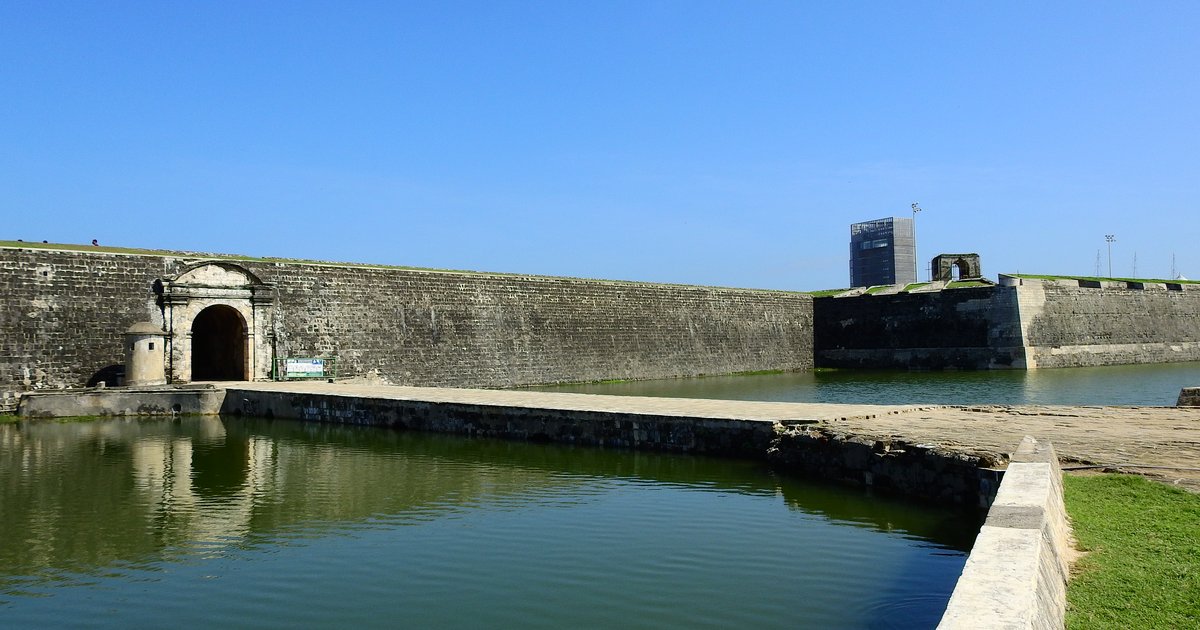
Jaffna sits at the northern tip of Sri Lanka, separated from the rest of the country by more than just distance. It is the capital of Tamil culture in Sri Lanka, a city with its own language, cuisine, religion, and rhythm. The travellers who make the journey north consistently describe it as the most surprising stop on their Sri Lanka itinerary - and the one that stays with them longest.
This is not a destination for travellers who want a checklist of Instagram spots. It is for the curious: the travellers who sense that Sri Lanka has more to offer than the south coast beaches and the tea country hills. And if the reviews are any guide, they are right.
The experience
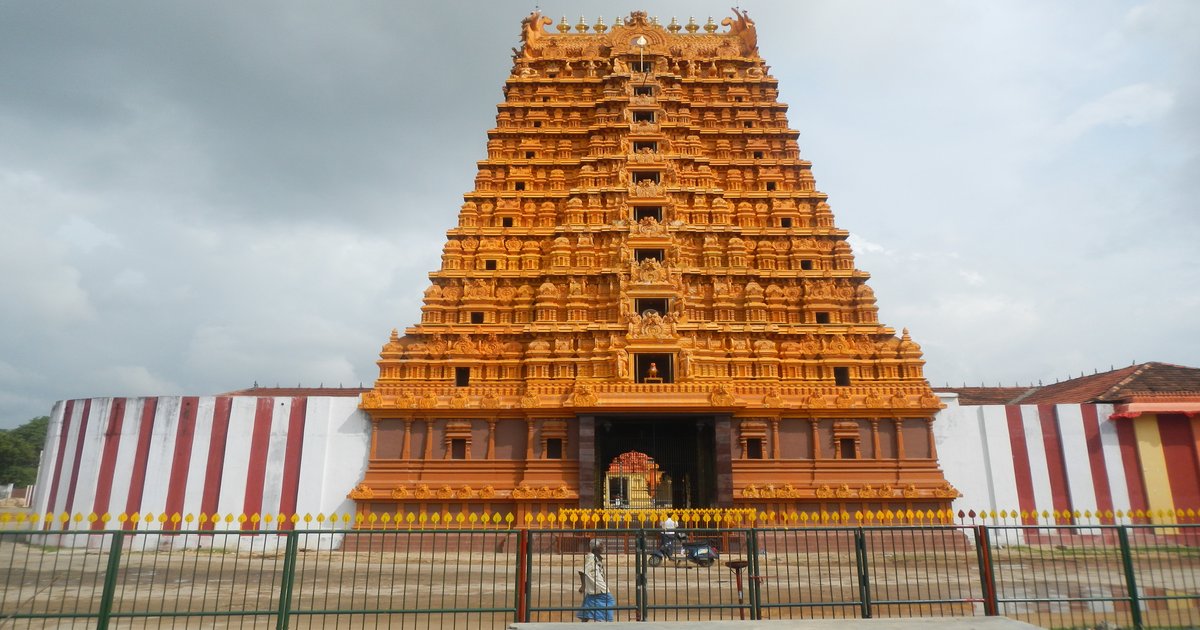
Jaffna feels different from the moment you arrive. The language on the street signs shifts from Sinhala to Tamil. The Hindu temples with their towering gopurams dominate the skyline instead of Buddhist stupas. The food is spicier, the chai is stronger, and the pace of life moves to its own calendar.
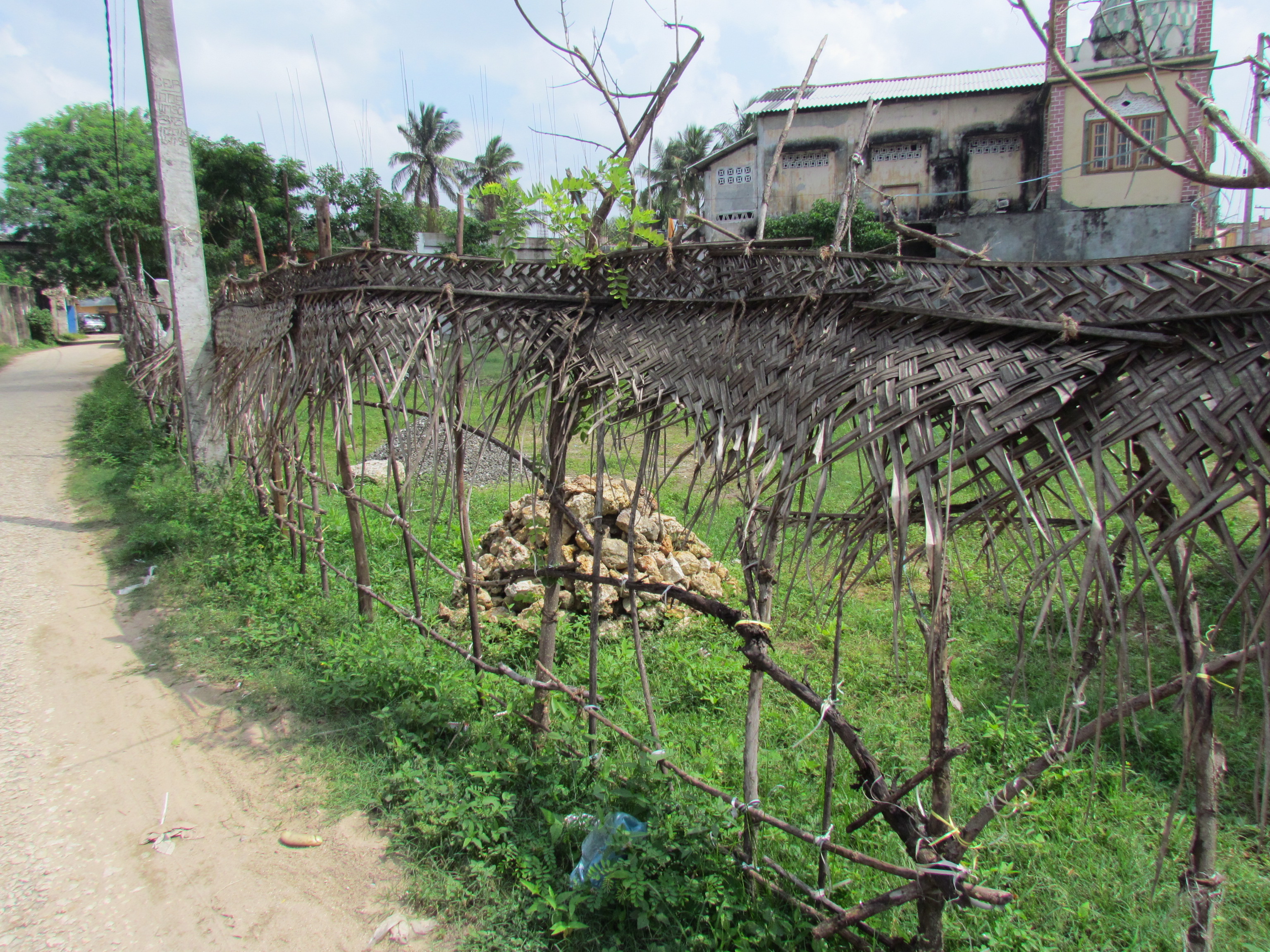
The city bears visible scars from the civil war that ended in 2009. Abandoned buildings, bullet-pocked walls, and the stark silence of war memorials sit alongside a population that is rebuilding with remarkable resilience. Visitors who come expecting a straightforward beach or culture destination are often unprepared for the emotional weight of the history here. But those who engage with it - who visit the Jaffna Public Library, walk the fort ramparts, talk to the people - describe it as one of the most meaningful travel experiences in Sri Lanka.
The hospitality here is different from the south. Warmer in some ways, more reserved in others. The locals are genuinely welcoming to visitors, but there is less of the instinctive tourism-service friendliness you find in Galle or Mirissa. It is real, and travellers who appreciate authentic connection over polished service rate it higher for it.
The food is unmissable. Jaffna crab curry is famous for a reason - the coastal city has access to the best seafood in Sri Lanka, and the Tamil style of cooking with dark-roasted spices, coconut, and chilli creates curries that are deeper and more complex than their southern counterparts. The dosas here rival anything in South India, the mangoes are the sweetest on the island, and the ice cream at Rios is mentioned in almost every traveller's account of the city.
Between June and September, the Nallur Festival transforms the city. The month-long festival at the Nallur Kandaswamy Temple brings processions, devotional music, and thousands of pilgrims in a display of Tamil culture that has no parallel elsewhere in Sri Lanka. Travellers who time their visit around the festival describe it as unforgettable.
What's worth doing
- Nallur Kandaswamy Kovil - The spiritual heart of Jaffna, a 10th-century Hindu temple with a towering golden gopuram dedicated to Lord Murugan. Non-Hindus can enter the outer areas but must dress modestly (shoulders and legs covered, men must remove shirts). Photography is not allowed inside. The atmosphere during the evening puja ceremonies is extraordinary.
- Jaffna Fort - A star-shaped fortress built by the Portuguese in 1618 and later expanded by the Dutch and British. It overlooks the Jaffna Lagoon and the sea. Walk the ramparts in the late afternoon for the sunset view over the lagoon. Entry is free, and the fort is significantly less touristy than Galle - you may have the entire place to yourself.
- Jaffna Public Library - A powerful symbol of Tamil identity and resilience. The original library, one of Asia's largest with nearly 100,000 ancient Tamil manuscripts, was burned down in 1981 during the early stages of the civil conflict. The rebuilt structure is a striking modern building. Visitors can enter the ground floor but access to the main collections is restricted.
- Thirunelveli Market - The local produce market comes alive from 7 AM. This is where travellers consistently describe their most authentic Jaffna experience. The market is a working trading hub, not a tourist attraction - visitors are a curiosity here, and the genuine conversations that happen over a shared cup of tea or a gift of fresh fruit are the moments that define a Jaffna trip.
- Delft Island - A remote coral and limestone island about an hour's ferry ride from the mainland. Known for wild horses that roam freely, baobab trees left by Arab traders, Dutch colonial ruins, and a pace of life that feels a century behind. A day trip from Jaffna requires an early start - morning ferries leave from Kurikadduwan jetty. Facilities are minimal, so bring water and snacks.
- Keerimalai Springs - Natural mineral baths on the coast north of Jaffna, believed to have therapeutic properties. A blend of fresh spring water and seawater in a stone pool complex adjacent to the Keerimalai Naguleswaram Kovil. Separate bathing areas for men and women.
- Casuarina Beach - A peaceful stretch of sand on Karainagar island, about twenty minutes from Jaffna town. Lined with casuarina trees, with calm, shallow waters that are safe for swimming. Less developed than southern beaches, which is precisely what travellers who visit it love about it.
Getting to and around Jaffna
Jaffna is about 400 kilometres north of Colombo, and the journey is a significant commitment. The Yal Devi train from Colombo Fort to Jaffna takes approximately eight hours and is the most comfortable option. Five departures daily, with second-class reserved seats around $10 and first-class air-conditioned at $15. The train passes through Anuradhapura, making it easy to break the journey.
Overnight air-conditioned buses from Colombo run several times nightly and take about seven hours. These are private buses and are reasonably comfortable for Sri Lankan standards, with reclining seats and a toilet on board. Tickets cost $7-10. The local bus route #87 from Colombo is not recommended for tourists - nine hours on a crowded local bus is an endurance test.
Once in Jaffna, getting around is straightforward. Tuk-tuks are the primary mode of transport. A ride within the city centre costs $1-2, and a half-day of hiring a driver for the main sights runs $10-15. PickMe is available here but has fewer active drivers than in Colombo. Most travellers find it easier to negotiate directly - the rates in Jaffna are generally fairer than in Colombo. For day trips to Delft Island or KKS Beach, expect to pay $20-30 for a tuk-tuk for the day including waiting time.
The roads in Jaffna are quieter and the traffic is nothing compared to Colombo, but distances between attractions can still be significant. The city centre is compact enough to walk between the Fort, the library, and the main market, but you will need a tuk-tuk for everything else.
What to budget
Jaffna is cheaper than Colombo but slightly more expensive than the south coast beach towns, largely because the tourism infrastructure is less developed and supply chains from Colombo add to costs.
- Budget traveller: $20-30/day. Guesthouse rooms $10-15, food $5-8 at local eateries, tuk-tuks $3-5, free or low-cost attractions (Jaffna Fort is free, temple entry is by donation).
- Mid-range traveller: $45-70/day. A comfortable private room in a well-reviewed guesthouse $25-40, dining at mid-range restaurants $12-18, tuk-tuk hire for the day $10-15, and paid attractions and day trips $10-20.
- Luxury traveller: $120+/day. Jetwing Jaffna or Fox Jaffna $70-120, fine dining and bar tabs $30-50, private car and driver for the day $40-60.
Jaffna's best value is its food. A full Jaffna crab curry meal at a local restaurant costs $5-8. Even the most celebrated seafood restaurants rarely exceed $15 per person. The local mangoes, sold from roadside stalls for less than a dollar a kilo, earn mentions in almost every traveller's account of the city.
WATCH OUT FOR
The distance is real. Jaffna is a full day's journey from Colombo, and that cuts both ways. The journey north is long enough that a weekend trip is not practical. Plan for a minimum of three nights to justify the travel time. Travellers who try to squeeze Jaffna into a two-night stopover describe feeling rushed and frustrated.
Infrastructure is still rebuilding. Jaffna was the epicentre of a twenty-six-year civil war, and the scars are not just visible - they affect the quality of accommodation, roads, and services. Several hotels and guesthouses in the city operate on intermittent water supply, and power cuts are not uncommon. Properties that have solar backup and water storage are significantly more reliable. Check recent reviews specifically for mentions of water pressure, hot water reliability, and air conditioning performance.
Heat is more intense than the south. The northern peninsula experiences higher temperatures and less coastal breeze than the south coast. Between March and September, daytime temperatures regularly exceed 35°C with very little cloud cover. The heat is dry rather than humid, which makes it more bearable but still draining. Plan sightseeing for early morning and late afternoon, and ensure your accommodation has effective air conditioning.
Attraction access is limited in some areas. Military checkpoints and restricted zones still exist in parts of the Jaffna Peninsula. Most tourist areas are fully accessible, but some beaches and archaeological sites require prior permission or are off-limits. Your hotel or a local guide can confirm which areas are open. The Sri Lanka Tourism Board maintains an updated list of accessible sites.
Fewer dining and entertainment options than the south. Jaffna's restaurant scene has improved significantly but is much less developed than Colombo or Galle. The evening food streets are limited, and nightlife is essentially non-existent. The top restaurants - Malayan Cafe, Mango's, Peninsula Jetwing - are excellent but limited in number. Travellers who expect a range of international cuisine or late-night dining options will be disappointed.
Bank and ATM access can be unreliable. Most major banks are present in Jaffna town, but ATMs outside the centre are scarce, and card acceptance at smaller hotels and restaurants is inconsistent. Carry sufficient cash for day trips and for smaller guesthouses. The ATMs at the Jaffna town centre are the most reliable.
Mine awareness is real. The post-war clearance of landmines in the Northern Province is not complete. While all tourist areas and main roads are safe, travellers who plan to walk through abandoned areas, forests, or off-road sites should do so only with a local guide. The warning signs with skull and crossbones are sincere.
GOOD TO KNOW
February to September is the best time to visit. The northeast monsoon affects the Northern Province between October and January, bringing significant rainfall and making the island day trips less enjoyable. Between June and September, the weather is dry and hot, and the Nallur Festival (August) adds a cultural dimension that makes the heat worthwhile.
Getting a SIM card in Jaffna is straightforward, but the signal quality is slightly weaker than in Colombo or Kandy. Dialog has the best coverage in the north. The tourist SIM packages sold at the Colombo airport work everywhere.
Jaffna is safe for solo travellers, including solo female travellers. Multiple travellers describe feeling less hassle from touts than in Colombo and a more genuine curiosity from locals. The main safety consideration is the heat and the availability of drinking water, not crime.
The best way to experience Jaffna is to slow down. Do not try to pack the city and the outer islands into a tight itinerary. Spend a day walking Jaffna town - the Fort, the library, the market, the temples. Spend another day on a day trip to Delft Island or Nainativu. Add a third day for Keerimalai and Casuarina Beach. The travellers who rate Jaffna highest are consistently those who gave themselves permission to move slowly.
Tamil language is dominant here. English is spoken at hotels and restaurants but less widely than in the south. Learning a few Tamil phrases - vanakkam (hello), nandri (thank you), evvalavu? (how much?) - earns appreciation that the Sinhala equivalents would not in other parts of the country. The language difference is part of what makes Jaffna feel like a different country within Sri Lanka.
WHERE TO STAY
- Jetwing Jaffna - The most comfortable large hotel in the city. The rooftop pool is a genuine asset in Jaffna's heat, and the restaurant serves the best breakfast buffet in the north. Guests consistently mention the quality of the air conditioning as a lifesaver after a day of sightseeing.
- Fox Jaffna - A modern, well-designed hotel near the Fort. The rooms are clean and contemporary, the staff are praised for going out of their way to help arrange day trips, and the restaurant serves excellent Sri Lankan and Tamil food. The best value in the mid-range bracket.
- The Thinnai - A small heritage property set in a restored Jaffna townhouse. The traditional architecture, the courtyard garden, and the genuinely personal hospitality make it the most unique accommodation in Jaffna. The owner is a knowledgeable guide to the area and its history.
- D'Villa Garden House - A boutique guesthouse with a lush garden, a pool, and a location on the road to the Fort that puts most of the city within walking distance. Guests praise the room's design and the serene garden as a retreat from the city heat.
The bottom line
Jaffna is not for every traveller. It demands more effort to reach, offers fewer comforts, and presents a version of Sri Lanka that can be confronting as well as beautiful. But the travellers who make the journey north consistently describe it as the most memorable part of their trip. The food, the culture, the resilience of the people, and the sense of discovering a Sri Lanka that most visitors never see - that is what keeps travellers coming back to Jaffna.
Have a specific question about your Sri Lanka trip?
Ask BYC at byc.lk — free, honest, no upsell. Ever.
Ask BYC Your Question →